
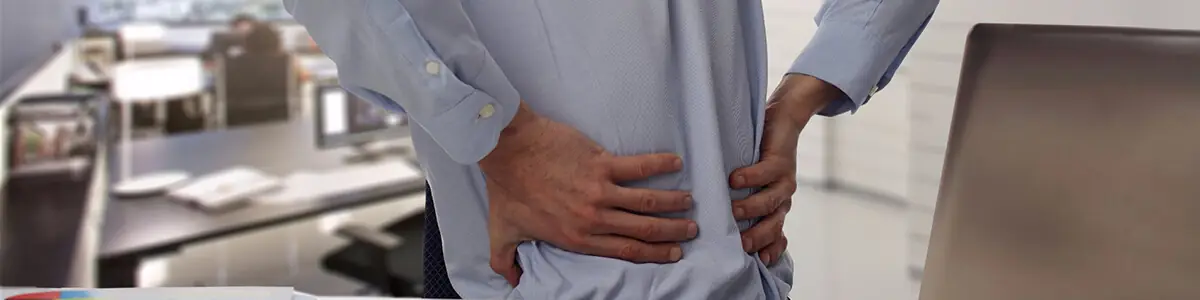
Back pain myths Louisville patients bring to our office are surprisingly consistent. Most people have heard that rest is best, that an MRI will find the cause, or that surgery is the only real fix. Some of these ideas were standard advice decades ago. Others were never true. Here is what the current evidence says, and what it means for your back.
Myth 1: Bed rest is the best treatment
For years, people with back pain were told to lie down until it went away. We now know that prolonged bed rest usually slows recovery. Muscles stiffen, joints lose motion and the pain often lasts longer. Clinical guidelines now recommend staying as active as you comfortably can. Short rests during a bad flare are fine, but walking and gentle movement usually help more than days in bed.
Myth 2: Back pain means something is seriously damaged
Back pain can be intense, but intensity does not always mean serious damage. Most low back pain is nonspecific, meaning no single injured structure can be confidently identified as the cause, and most acute episodes improve within a few weeks. Serious causes, like fractures, infections or cancer, are uncommon. That is why it helps to know the real warning signs, which we cover below.
Myth 3: You need an MRI to find the cause
Imaging feels reassuring, but for most back pain it does not change treatment. MRI scans of people with no back pain at all often show disc bulges and wear, so a scan can label normal aging as the “cause” of your pain. Guidelines advise against routine imaging for back pain in the first several weeks unless there are warning signs. A thorough history and exam usually tells us more.
Myth 4: A bad back is something you are stuck with
Back pain does come back for many people, but recurring pain is not a life sentence. Staying active and exercising regularly can help reduce recurring back pain, while weight management and changes in daily habits may help depending on your individual risk factors. Treatments that calm inflammation and restore movement can shorten flares when they happen.
Myth 5: Surgery is the only real fix
Most people with back pain never need surgery. Even many people with herniated discs improve with conservative care such as activity, exercise, chiropractic care and other non-surgical treatment. Surgery has an important role when there is serious nerve compression or a structural problem, but it is rarely the first step.
Myth 6: Pain pills are the safest option
Over-the-counter anti-inflammatories can help in the short term, but they carry risks for the stomach, kidneys and heart, especially with long-term use. Opioids are generally not recommended as a first choice for back pain because of the risk of dependence and side effects. Exercise, staying active, education and other guideline-supported conservative treatments are usually the first steps. Laser therapy has less-established evidence and may be considered selectively.
Back pain myths Louisville readers ask us about most
Is it bad to crack my own back?
An occasional pop from stretching is usually harmless. Constantly forcing your back to crack can irritate joints and does not address why it feels stuck.
Will a new mattress fix my back?
A medium-firm mattress suits many people, but no mattress is a cure. If you wake up stiff every day, the cause is usually more than the bed.
Should I wear a back brace?
A back brace may be useful in selected situations, but evidence for routine or long-term use is limited, and it should not replace activity and exercise.
When back pain needs urgent care
Go to the emergency room right away for back pain with new difficulty urinating or urinary retention, loss of bladder or bowel control, numbness around the genitals or anus, rapidly worsening leg weakness or serious trauma. Fever with back pain also needs prompt medical assessment, especially if you feel very ill. These signs are rare, but they matter. For more background, see the U.S. National Library of Medicine page on back pain.
What actually helps
- Stay active, even if it is just short walks
- Use heat or ice for short-term relief
- Learn a few gentle stretches and strengthening moves
- Fix how you sit, lift and sleep
- Try drug-free treatment, like our back pain treatment and spinal decompression
Want the basics on how back pain starts? Read our companion article on back pain facts.
The bottom line on back pain myths Louisville patients hear
Most of the back pain myths Louisville patients repeat to us come from well-meaning advice that has not kept up with the research. Stay active, skip routine imaging unless there are warning signs, be wary of long-term pain pills and give conservative care a fair try before surgery. If your back is not improving, get a proper exam so you treat the cause, not just the symptom.